

Hookah Lounge Heat That Won't Quit: Solving Smoke, Odor & Re-Load Downtime with TC-01 Charcoal
How TC-01 hookah charcoal solves smoke drift, odor and mid-session re-loads in hookah lounges: 90–120 min cube burn, under 3% ash, over 7,800 kcal/kg.
Hookah Lounge Heat That Won't Quit: Solving Smoke, Odor & Re-Load Downtime with TC-01 Charcoal
A hookah lounge does not sell charcoal. It sells an uninterrupted two-hour conversation — and every mid-session coal swap, every curl of smoke drifting across a neighbouring table, and every gust of charcoal odor that overrides the shisha flavor quietly takes part of that conversation away. TC-01 hookah charcoal from FYC (Dalian Tiancheng Charcoal Industry Technology Co., Ltd.) is specified around exactly those three failure points.
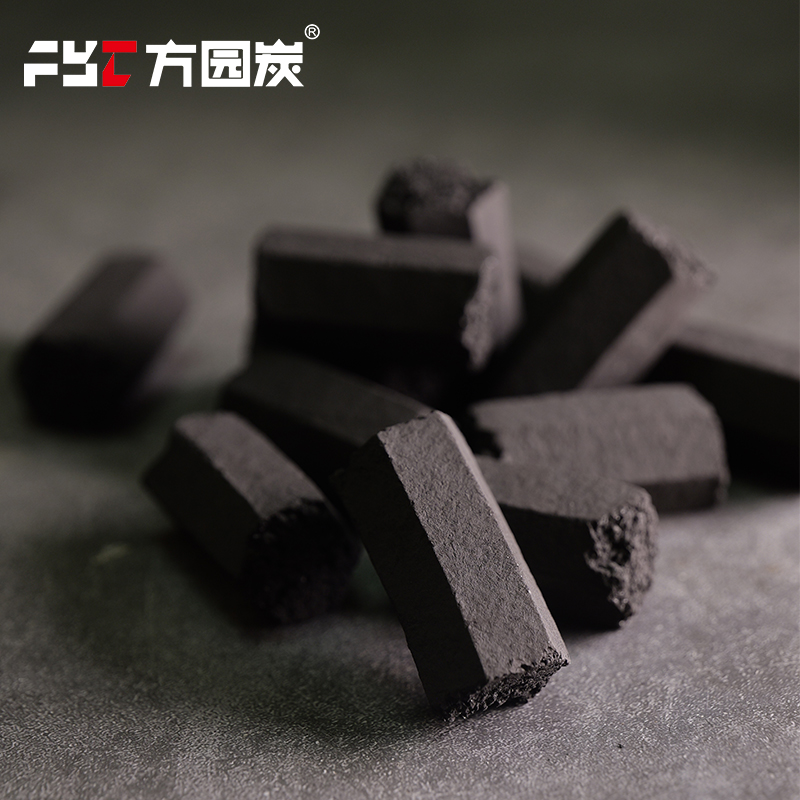
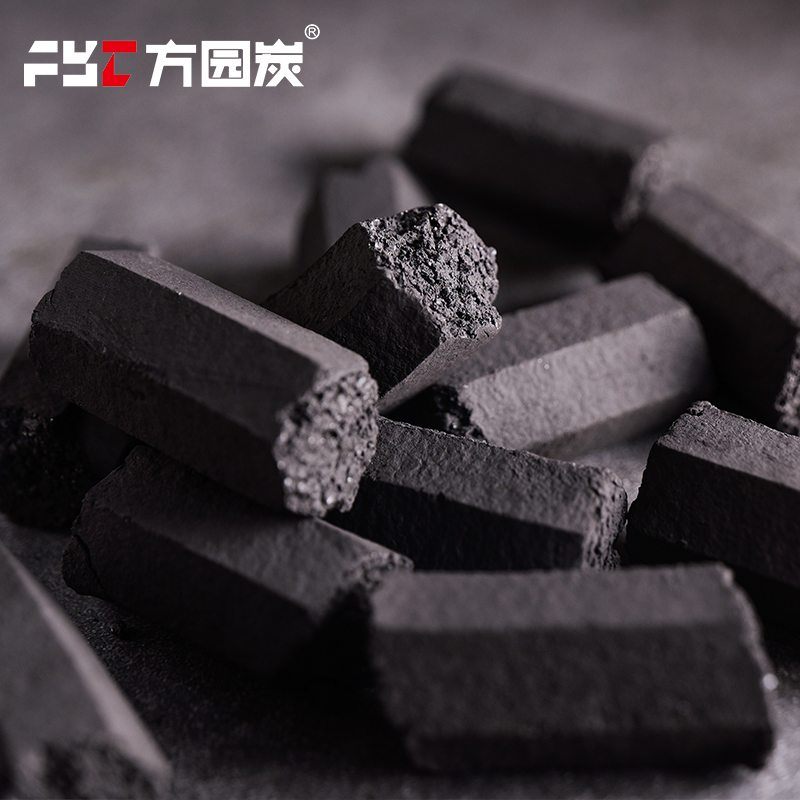
Short answer for operators: TC-01 is a smokeless, odorless hookah charcoal made from premium natural coconut shell and fruit wood, supplied in cube (25 mm and 40 mm), hexagonal and bamboo forms. FYC's product specification states a burn time of 90–120 minutes for cube 25 mm / 40 mm, 45–70 minutes for the quick-light variant, ash content below 3% on the premium grade, fixed carbon above 85%–90%, and a calorific value above 7,800 kcal/kg — with quick light and fast ignition options available.
The Three Costs Hidden Inside a Hookah Service Night
Charcoal rarely appears on a lounge's cost review, yet it drives three recurring operational costs that a guest notices immediately and a manager notices only after the complaints arrive.
1. Re-load downtime
A re-load is not just a new coal. It is a server crossing the floor with tongs, lifting a wind cover or bowl assembly, tapping ash, dropping a replacement, and waiting for heat to climb back to session temperature. Guests pause mid-conversation; the table stops ordering. The frequency of that interruption is set almost entirely by one number: how long a single briquette holds usable heat.
2. Smoke drift
Vapor from the bowl is the product. Smoke from the charcoal is not. On a packed floor, charcoal smoke does not stay at its own table — it crosses aisles, reaches the next row of seating, and becomes a ventilation conversation with guests who did not order a hookah.
3. Odor carry-over
A charcoal that pushes its own smell competes with the flavor the guest actually paid for. In a lounge with a premium menu, an acrid or smoky base note flattens the distinction between flavors and makes a well-built bowl taste generic.
Add ash handling to those three and the picture is complete: every briquette that crumbles, and every tray that fills too fast, adds a fourth task to a shift that is already stretched.
Industry Background: Why Material and Specification Now Decide the Purchase
Coconut shell is no longer a niche feedstock in this segment. Dataintelo's hookah charcoal market report records coconut shell charcoal holding the largest product-type share at 42.3% in 2025 — the material that lounge operators most often associate with clean, long-holding heat.
The wider charcoal trade is large and still defined by conflicting measurement. Grand View Research estimates the global charcoal market at USD 8.5 billion in 2026, having valued it at USD 8.1 billion in 2025; other aggregators publish far higher figures, largely because they fold industrial coke into the same headline. For a lounge operator the practical takeaway is simpler than the market number: charcoal is a specifiable consumable, and it should be bought on a specification sheet, not on a bag design.
Supply also has a clear geographic centre. World's Top Exports placed Indonesia at roughly 23% of global charcoal export value in 2024, which is consistent with the dominance of coconut shell feedstock in shisha-grade charcoal.
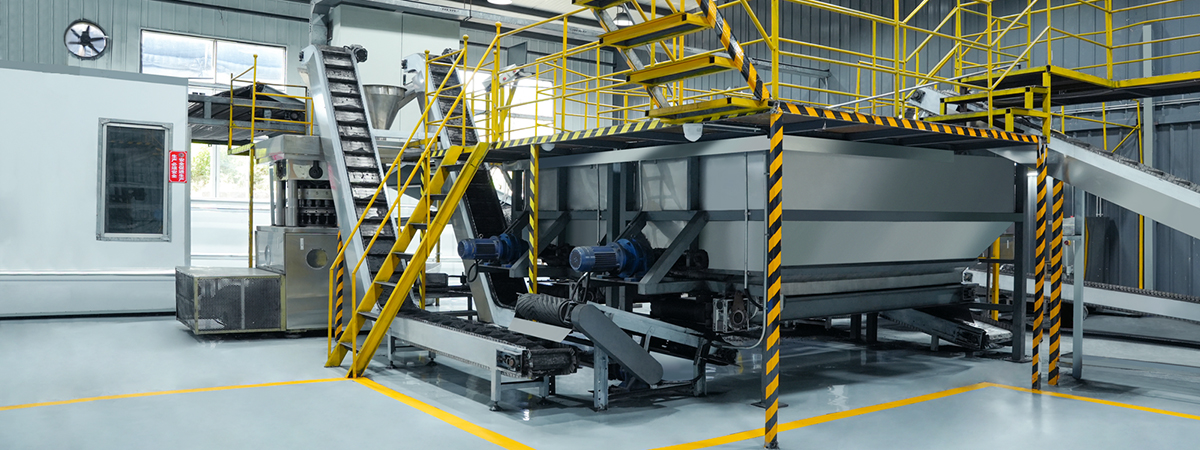
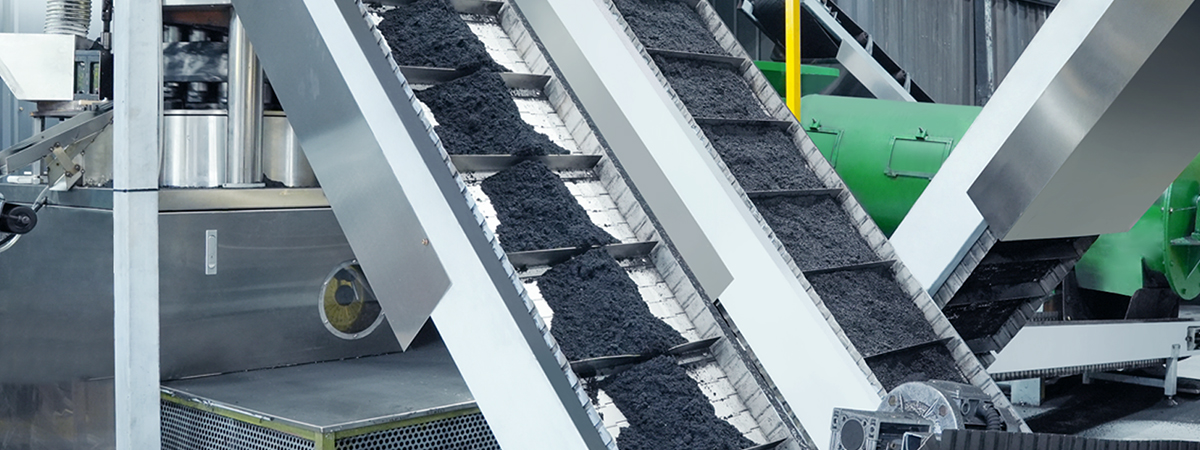
FYC itself is a charcoal factory based in Liaoning, China, established in 1990, operating a 6,000 m² facility with approximately 100 employees, a daily output exceeding 50 metric tons, and an export ratio of around 60% concentrated on the Middle East and Europe. The company holds SGS and ISO certifications, and its main product lines are hookah charcoal, incense charcoal and barbecue charcoal.
How TC-01 Maps Onto Each Pain Point
TC-01 is not sold as a generic "premium coal". Its published specification resolves each operational problem with a specific, testable value — which is what makes it usable as a purchasing standard rather than a marketing claim.
| Operational pain | What it looks like on the floor | TC-01 specification that addresses it |
|---|---|---|
| Smoke drift | Visible charcoal plume crossing into neighbouring tables | Smokeless specification; premium natural coconut shell and fruit wood base |
| Odor carry-over | Charcoal smell flattening the flavor profile of the bowl | Odorless specification |
| Re-load downtime | Server interrupting a session with tongs, ash tap and a fresh coal | 90–120 minutes burn time for cube 25 mm / 40 mm; 45–70 minutes for the quick-light variant |
| Ash volume and table resets | Frequent tray emptying; ash dust on the table between guests | Ash content below 3% (premium grade) |
| Heat falloff late in a session | Weak draw near the end of a long sitting | Calorific value above 7,800 kcal/kg; fixed carbon above 85%–90% |
| Breakage in handling | Cracked cubes in the tongs, dust in the storage box | High hardness; specified as not easy to break |
Two of those values deserve a plain-language explanation, because they are the ones most often quoted without context.
Fixed carbon above 85%–90% describes how much of the briquette is carbon rather than material that has to burn off first. A high fixed-carbon figure is the reason a briquette can hold a steady glow for its full rated window instead of flaring early and fading. It is also the number that separates a genuine hookah-grade product from a briquette that behaves well for twenty minutes and then collapses.
Ash below 3% on the premium grade is the quiet operational win. Lower ash does not just look cleaner in the tray; it reduces how often a server has to interrupt the table to clear residue, and it reduces the fine dust that settles on tables, trays and bowls between sittings.
For lounge use, FYC positions TC-01 as 100% natural coconut shell, chemical-free and food-grade safe, with the hardness needed to survive transport, storage and handling in tongs without fracturing. The heat itself is constant rather than spiking, which is what a ceramic shisha bowl with a wind cover needs to keep roasting molasses evenly instead of scorching it.
Step-by-Step: Rebuilding a Service Night Around TC-01
Step 1 — Measure the real session length, not the average ticket
Before choosing a format, establish how long a typical sitting actually runs on your floor: the point at which the bowl is finished versus the point at which the guest leaves. That single number tells you whether a coal needs to survive one long session or two short ones, and it is the basis for every decision that follows.
Step 2 — Match the format to that session length
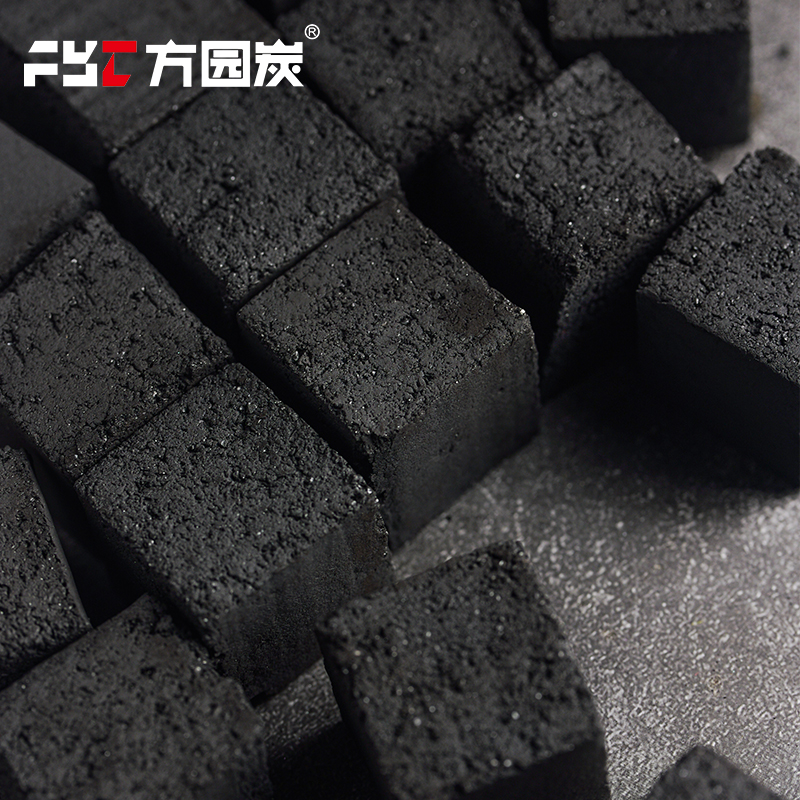
This is the core decision. A cube in 25 mm or 40 mm is rated at 90–120 minutes; the quick-light variant is rated at 45–70 minutes. For a venue built on long, slow sittings, the cube format removes at least one reload window per session. For a venue built on fast turnover, a terrace, or single-bowl top-ups, the quick-light option trades burn length for ignition speed — and FYC supplies both, plus fast ignition options, from the same model line.
Step 3 — Standardise the light-up point away from the floor
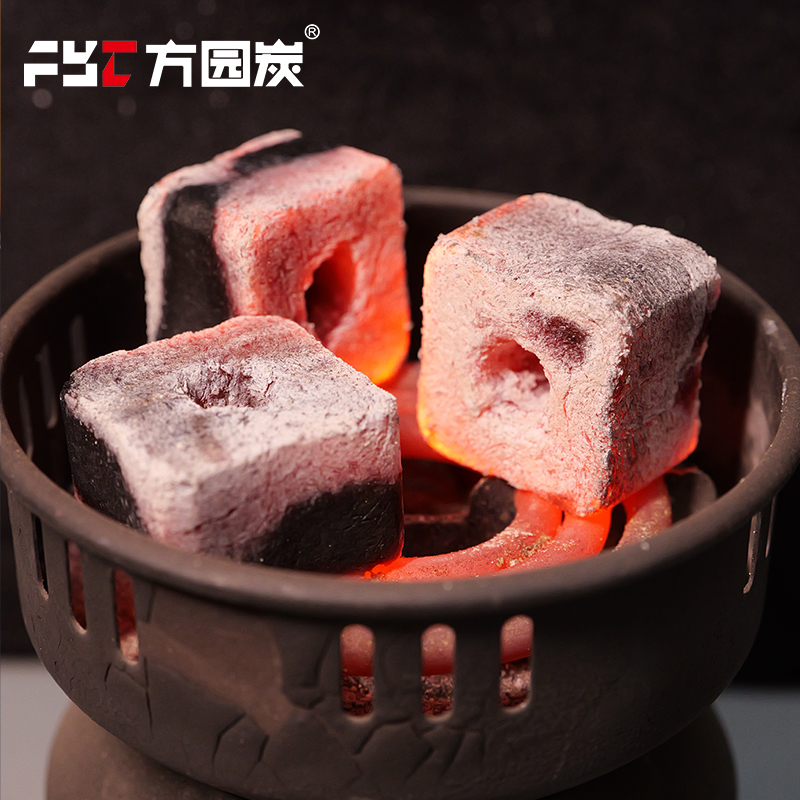
Ignition should happen before the coal reaches the table. Pair TC-01 with the equipment the session is built around — premium hookah sets, ceramic shisha bowls, tongs and wind covers — and keep the lighting station outside the seating area so any ignition behaviour stays away from guests. This is also where a quick-light tablet earns its place: fast ignition on the service side, cube format on the guest side.
Step 4 — Schedule ash handling around the burn, not around the complaint
With ash content below 3% on the premium grade, the residue generated per briquette is small. That allows a tray check at a natural break — when the bowl is finished, or when the guest orders — rather than a forced mid-session ash drop that interrupts the table. Reset the tray at turnover; do not build the shift around emergency ash runs.
Step 5 — Build the table reset into guest turnover
Between sittings, the reset is bowl, tray, tongs and a fresh coal. Because TC-01 is specified as high hardness and not easy to break, briquettes come out of the storage box intact rather than as broken halves and dust — which shortens the reset and reduces waste at the same time.
Step 6 — Put your own brand on the front-of-house box
Storage and presentation are part of the operation. FYC supports custom retail packaging — magnetic box, flip-top box and pull-out box — together with logo printing, so a lounge or chain can present its own branded charcoal box at the table or in retail corners. The Saudi lounge chain in the case below uses exactly this combination: consistent 25 mm cubes in a luxury magnetic box carrying its own logo.
Step 7 — Train storage and handling once, then hold the standard
Moisture and handling damage undo a good specification faster than anything else. FYC provides 24/7 technical support for charcoal usage and storage, and multilingual support in English, Spanish and French — useful when a chain operates across markets and needs one storage standard applied by several shift teams.
Where TC-01 Fits in Real Venues
Premium shisha lounge chains
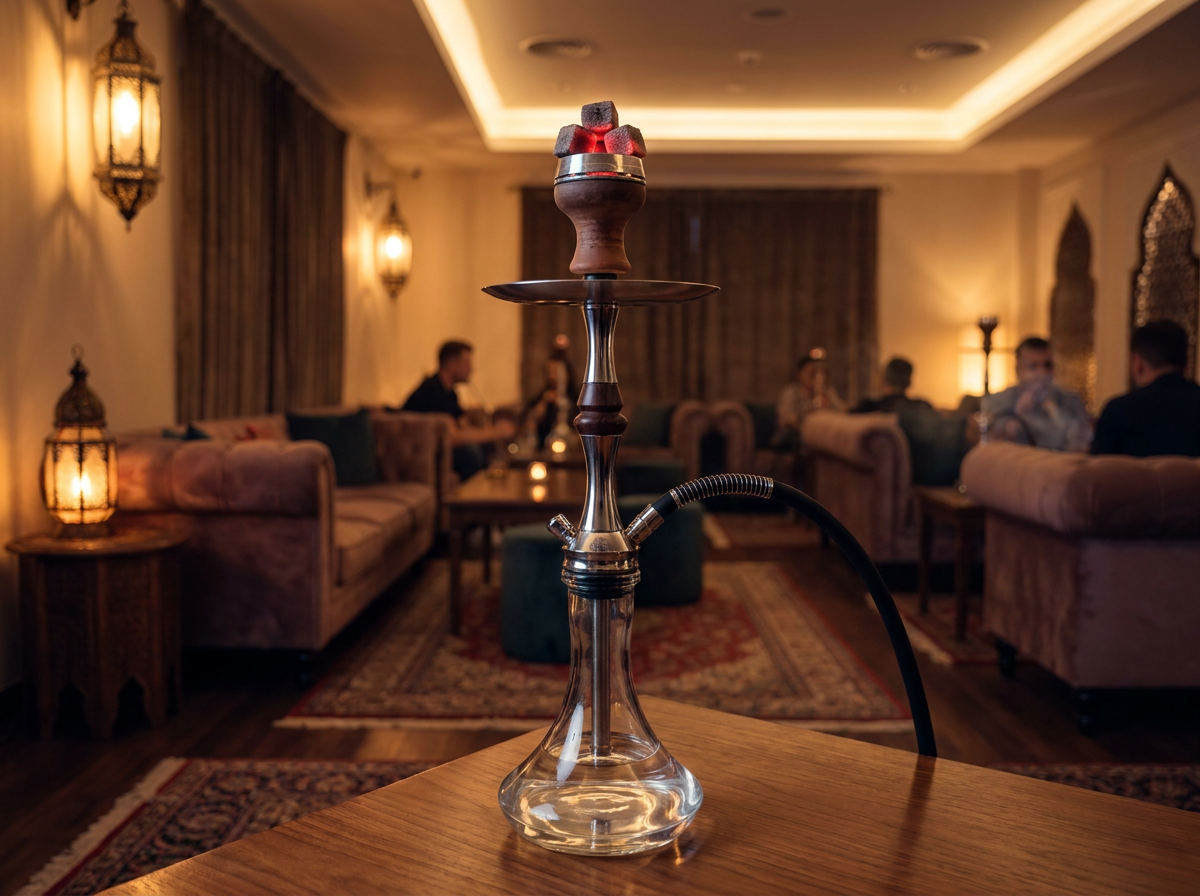
A premium shisha lounge and hookah bar chain in Saudi Arabia has taken 50 metric tons per quarter — approximately 200 tons annually — for 2.5 years of continuous cooperation. Its application is continuous social shisha service in upscale city-centre lounges. The reported result is stable, odorless burning with zero client complaints, and measurably longer guest sessions because the heat holds. The specification behind that result is a consistent 25 mm cube, ash content below 3%, and a luxury magnetic box customised with the client's logo.
Mixed-format venues
Lounges that run an indoor floor, a terrace and a private room rarely need one format everywhere. Cube 25 mm and 40 mm suit the main floor where sittings are long; hexagonal and bamboo forms give operators shape options within the same model and the same published specification, so staff can standardise handling and storage without switching suppliers. When a venue switches formats, keep the specification constant — fixed carbon, ash and calorific value should not move because the shape changed.
Venues that also serve bakhoor or oud
Many lounges run an incense side alongside the hookah menu. That is a different product, not a smaller version of the same one: FYC's TC-04 incense charcoal is a 33 mm round tablet made from fruit wood charcoal and coconut shell charcoal powder, with quick light / fast ignition, smokeless and odorless burning, a scent diffuser function, a 45–70 minute burn, natural black, silver foil and gold foil appearances, and custom flip-top, magnetic or pull-out packaging. Keeping TC-04 for bakhoor service and TC-01 for the bowl prevents staff from using a fast-burning tablet where a long-holding cube is required.
TC-01 Specification Comparison by Format
The table below uses only FYC's published product data. Where a value is not stated in the product specification, the cell says so rather than estimating.
| Product / format | Material | Fixed carbon | Ash | Calorific value | Documented burn time | Typical lounge role |
|---|---|---|---|---|---|---|
| TC-01 Cube — 25 mm and 40 mm | Premium natural coconut shell, fruit wood | >85%–90% | <3% (premium grade) | >7,800 kcal/kg | 90–120 minutes | Main floor, long sittings, fewest re-loads |
| TC-01 Hexagonal | Premium natural coconut shell, fruit wood | >85%–90% | <3% (premium grade) | >7,800 kcal/kg | Burn time in the FYC specification is stated for cube 25/40 mm and the quick-light variant | Shape option within the same model specification |
| TC-01 Bamboo | Premium natural coconut shell, fruit wood | >85%–90% | <3% (premium grade) | >7,800 kcal/kg | Burn time in the FYC specification is stated for cube 25/40 mm and the quick-light variant | Shape option within the same model specification |
| TC-01 Quick light | Premium natural coconut shell, fruit wood | >85%–90% | <3% (premium grade) | >7,800 kcal/kg | 45–70 minutes | Fast ignition, top-ups, high-turnover or terrace service |
| TC-04 Incense charcoal — 33 mm round | Fruit wood charcoal, coconut shell charcoal powder | Not stated in product specification | Not stated in product specification | Not stated in product specification | 45–70 minutes | Bakhoor / oud service, aromatherapy side of the menu |
All TC-01 formats are specified as smokeless, odorless, high hardness and eco-friendly, with quick light and fast ignition options available.
Spec-Selection Checklist Before a Repeat Order
- Session length: long sittings point to cube 25 mm or 40 mm at 90–120 minutes; short sittings, terraces or top-up service point to the quick-light format at 45–70 minutes.
- Shape: choose cube, hexagonal or bamboo based on how your staff handle and store the product — all three sit inside the same TC-01 specification.
- Acceptance values: write fixed carbon above 85%–90%, ash below 3% (premium grade) and calorific value above 7,800 kcal/kg into your purchase record, not just into the conversation.
- Burn-time target: confirm the documented window you are contracting for, and whether quick light is required on the service side.
- Packaging: magnetic box, flip-top box or pull-out box, with logo printing if the box goes to the table or into retail.
- Order tier: FYC's MOQ starts from one box for express stock and runs from 1 ton up to 17 tons for full-container wholesale orders.
- Lead time: 7–15 days for standard stock; 20–30 days for customised mass production.
- Supply assurance: monthly capacity of approximately 600–800 metric tons, 100% comprehensive inspection on all production lines, three professional QA/QC inspectors, on-site Intertek supplier assessment and full raw-material traceability.
- After-sales terms: response time of four hours or less, 100% on-time delivery guarantee, 24/7 technical support for charcoal usage and storage, and compensation for quality discrepancies.
Frequently Asked Questions
What should a hookah lounge check on a charcoal specification sheet?
Check four values before anything else: fixed carbon, ash, calorific value and burn time. For TC-01 those are fixed carbon above 85%–90%, ash below 3% on the premium grade, calorific value above 7,800 kcal/kg, and a burn time of 90–120 minutes for cube 25 mm / 40 mm. On the supplier side, FYC holds SGS and ISO certifications. If your venue also runs a barbecue or retail charcoal line, note that European market access for BBQ and retail charcoal follows the EN 1860-2 product safety standard, as set out in The Charcoal Factory's 2026 European import guide — a different standard scope from hookah charcoal.
Can TC-01 be supplied in a consistent shape and size across repeat orders?
Yes. TC-01 is available in cube 25 mm and 40 mm, hexagonal and bamboo forms, and the model's specification applies across those formats. Consistency is backed by 100% comprehensive inspection on all production lines, three professional QA/QC inspectors, on-site Intertek supplier assessment and full traceability of raw materials. Monthly capacity runs at approximately 600–800 metric tons, and the in-house R&D team develops 34 new product models annually, which matters when a chain wants a different size, shape or logo over time.
How should a lounge compare charcoal cost — per kilogram or per service hour?
Per service hour is the more useful lens for a lounge. A cube rated at 90–120 minutes covers a long sitting on one coal, while a quick-light tablet rated at 45–70 minutes will need at least one replacement inside the same session. The bill-of-materials difference per table is therefore driven by burn time and reload count, not by the bag price alone. FYC's order structure supports this kind of trial: MOQ starts from one box for express stock, and wholesale orders run from 1 ton to 17 tons per full container.
Can we sample TC-01 in our own lounge before committing to a container?
Yes. FYC's MOQ starts from one box for express stock, so a venue can run the charcoal in its own bowls, with its own staff and its own session lengths, before committing to volume. Sample evaluation should test the three parameters that decide the purchase: whether the burn window holds through a full sitting, how the ash behaves in the tray, and whether the coal stays intact through handling. Standard stock ships in 7–15 days, and customised mass production takes 20–30 days.
What is the lead time and delivery assurance for a lounge or chain order?
Lead time is 7–15 days for standard stock and 20–30 days for customised mass production, including custom packaging such as magnetic, flip-top or pull-out boxes with logo printing. FYC backs delivery with a 100% on-time delivery guarantee, an after-sales response time of four hours or less, and compensation for quality discrepancies. For larger chains, the Saudi lounge case — 50 metric tons per quarter for 2.5 years — shows how a repeat volume can be structured on a fixed specification.

Conclusion: Buy the Burn Window, Not the Bag
For a hookah lounge, the cost of charcoal shows up as interrupted sessions, drifting smoke and repeated ash runs — not as a line on the invoice. TC-01 addresses each of those with a published value: smokeless and odorless burning from premium natural coconut shell and fruit wood, 90–120 minutes of burn time on cube 25 mm and 40 mm, 45–70 minutes on the quick-light variant, ash below 3% on the premium grade, fixed carbon above 85%–90%, and calorific value above 7,800 kcal/kg.
The selection logic is straightforward. Choose the cube for the main floor where sittings run long, the quick-light format where ignition speed matters more than duration, and cube, hexagonal or bamboo according to how your team handles and stores the product. Then hold the specification — not the packaging — as the standard for every repeat order.
Next step: test TC-01 against your own service night
FYC (Dalian Tiancheng Charcoal Industry Technology Co., Ltd.) supplies hookah, incense and barbecue charcoal from a 6,000 m² factory in Liaoning, China, with an export ratio of around 60% across the Middle East and Europe. MOQ starts from one box for express stock.
Download the full product catalogue: FYC Charcoal Brochure (PDF)
Website: fyc-charcoal.com | Email: paris@fyc-charcoal.com | WhatsApp: +86 135 9132 7260


comment (02)
Jenny Wilson
19 June 2023Rating:
Lorem ipsum dolor sit amet, consectetur adipiscing elit, sed do eiusmod tempor incididunt ut labore et dolore magna aliqua. Ut enim ad minim veniam, quis nostrud exercitation ullamco laboris nisi ut aliquip ex ea commodo consequat aute irure dolor in reprehenderit.
Marvin McKinney
19 Feb 2024Rating:
Lorem ipsum dolor sit amet, consectetur adipiscing elit, sed do eiusmod tempor incididunt ut labore et dolore magna aliqua. Ut enim ad minim veniam, quis nostrud exercitation ullamco laboris nisi ut aliquip ex ea commodo consequat aute irure dolor in reprehenderit.