

Charcoal Forms and Sizes: A Technical Guide for Hookah, BBQ, Incense and Grills
Select charcoal by form and size for hookah, BBQ, incense and grills: cube, hexagonal, 33mm round and 50mm square-hole formats, with burn times and key specs.
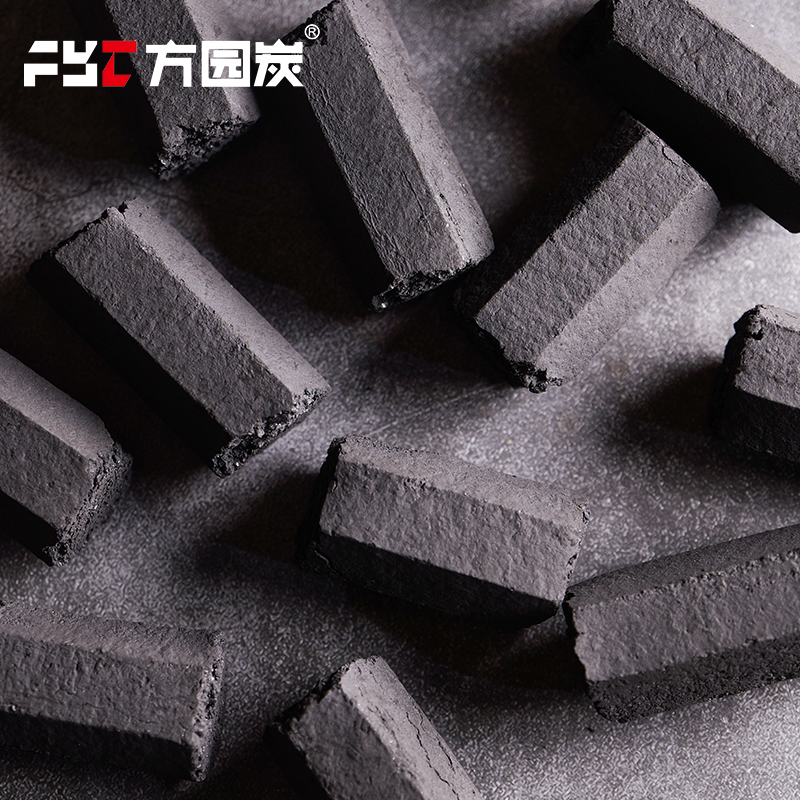
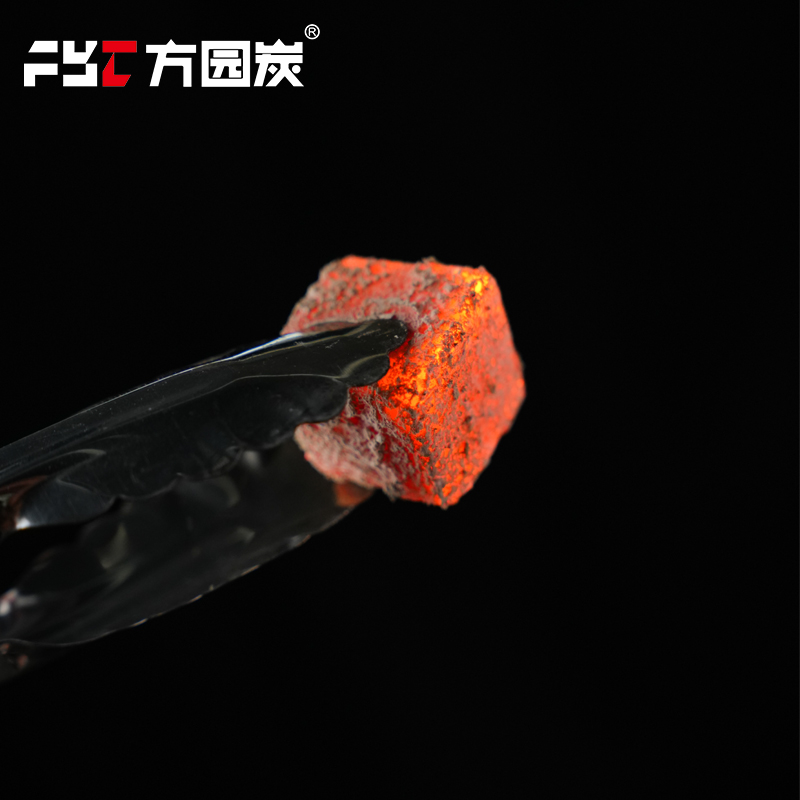
Figure 1 — Hexagonal hookah charcoal: one of the form factors compared in this guide (FYC charcoal range).
Charcoal Forms and Sizes: A Technical Guide for Hookah, BBQ, Incense and Grills
Charcoal is bought as a fuel, but it is specified as a shape. Two briquettes made from the same raw material, with the same fixed carbon content and the same price per ton, can behave completely differently in a hookah bowl, an indoor table grill, a bakhoor burner or a foil disposable grill. Form and size govern burn time, airflow, ash behaviour, packing density and how well the fuel physically fits the equipment it is placed in.
This technical guide maps charcoal form factors to four application families — hookah and shisha, BBQ and grilling, incense and bakhoor, and portable or disposable grills — and gives the dimensions, documented burn times and verification parameters that buyers should confirm before placing an order. It is written for importers, distributors, hookah lounge operators, BBQ restaurant groups and aromatherapy brands that need to convert a use case into a purchase specification.
The essential answer: hookah and shisha service is most commonly built around 25 mm and 40 mm cube charcoal, with hexagonal and bamboo formats as alternatives; restaurant and home grilling is served by quadrilateral, hexagonal, 50 mm square-hole, spherical and fangyuan briquettes; incense, bakhoor and oud applications use round tablet charcoal in a 33 mm diameter; and disposable or portable grills use a matched instant-light charcoal format such as fangyuan charcoal. FYC — the charcoal brand of Dalian Tiancheng Charcoal Industry Technology Co., Ltd., a manufacturer founded in 1990 and based in Dalian, Liaoning, China — produces all four families, with hookah grades specified at fixed carbon above 85–90%, ash content below 3% and calorific value above 7,800 kcal/kg.
Problem Definition: Why “Charcoal” Alone Is Not a Purchase Specification
A purchase order that names only “charcoal” and a tonnage leaves every performance decision open, and the resulting problems appear at the point of use rather than at the point of purchase. The most common mismatches are structural, not commercial:
- Session-length mismatch. A lounge that buys an undersized or low-density cube for long social sessions runs out of heat mid-session. FYC cube hookah charcoal in 25 mm and 40 mm is documented at 90–120 minutes of burning time, while quick-light formats in the same family are documented at 45–70 minutes.
- Equipment-geometry mismatch. Briquettes that are too large or irregular for a built-in table grill create hot spots and unstable heat. A South Korean charcoal BBQ restaurant group uses hexagonal bamboo charcoal sticks chosen specifically to fit built-in dining-table grills, and reports zero smoke interference in indoor dining.
- Emission and odour mismatch. Indoor shisha lounges, restaurants and aromatherapy rooms depend on smokeless, odourless combustion; charcoal with higher ash content and lower fixed carbon generally fails in these environments.
- Burner and tray mismatch. An incense tablet that does not match the burner diameter changes the burn rhythm of bakhoor or oud service, and a disposable foil grill without a matching charcoal format loses its instant-lighting advantage.
- Parameter and compliance mismatch. Ash, fixed carbon and moisture are regulated values in some markets. In the EU, EN 1860-2:2005 governs barbecue charcoal and barbecue charcoal briquettes and specifies limits for ash content, fixed carbon and moisture (CEN / DIN CERTCO).
The reliable buying sequence is therefore not price-first but structural: form → size → burn profile → core parameters → packing format → sample validation. Each step narrows the specification before commercial terms are negotiated.
Industry Background: Why Form and Size Decisions Now Matter More Than Commodity Grade
Charcoal demand is large and increasingly segmented by application rather than by commodity grade. The global charcoal market was valued at USD 8.1 billion in 2025 and is projected to reach USD 11.6 billion by 2033 (Grand View Research). Within that total, the hookah (shisha) charcoal segment was valued at approximately USD 1.8 billion in 2025, with a projected CAGR of 6.2% through 2034 (Dataintelo).
Regional consumption is concentrated where shisha and traditional cooking culture is strongest: the Middle East and Africa region captured a revenue share of 48.8% of the charcoal market in 2025 (Grand View Research). On the supply side, Indonesia is the world’s largest exporter of wood charcoal, with an export value of approximately USD 351.4 million in 2024, equal to 22.96% of global market share (Global Trade Data / Volza). Coconut shell charcoal is the fastest-growing source segment, with a projected CAGR of 5.0% from 2026 to 2033, favoured for high fixed carbon content and environmental sustainability (Grand View Research).
Brand-level recognition in the premium shisha category is also documented: published 2025 listings of premium shisha charcoal brands include Cocourth, Coconara, Titanium, TOM Cococha and Cocobrico (Hookah John / MarketsGlob). Buyers who use such lists as a starting point should note that recognition reflects brand presence, not form-factor coverage. Whether a supplier can deliver a specific shape, dimension and burn profile is verified from specifications and samples, not from brand familiarity.
Detailed Solution: FYC Charcoal Forms and Sizes by Application
FYC manufactures three charcoal product lines — hookah charcoal, incense charcoal and barbecue charcoal — across cube, hexagonal, bamboo, quadrilateral, spherical, fangyuan and round tablet formats. The relevant form for each application is determined by the equipment geometry first and the required session length second.
1. Hookah and shisha charcoal: cube, hexagonal and bamboo
Hookah charcoal is the most size-sensitive of the three lines, because the coal sits directly in a bowl under perforated foil or a screen. FYC hookah charcoal (product reference TC-01) is available in cube, hexagonal and bamboo hookah charcoal formats, including 25 mm and 40 mm cubes, and is made from premium natural coconut shell and fruit wood.
- Documented burn time: 90–120 minutes for cube charcoal in 25 mm and 40 mm; 45–70 minutes for quick-light formats.
- Fixed carbon content: above 85%–90%.
- Ash content: below 3% (premium grade).
- Calorific value: above 7,800 kcal/kg.
- Performance characteristics: smokeless, odourless, high hardness, eco-friendly; quick-light and fast-ignition options available.
The practical decision rule is straightforward. Where session length and clean flavour dominate — hookah bars, shisha lounges, bakhoor service and aromatherapy rooms — a 25 mm or 40 mm cube with low ash and high fixed carbon is the appropriate default. Where ignition speed matters more than session length, quick-light formats trade roughly half the burn time for faster lighting.
2. BBQ charcoal: quadrilateral, hexagonal, 50 mm square-hole, spherical and fangyuan
Barbecue charcoal specifications follow the grill, not the coal. FYC barbecue charcoal (product reference TC-02) is produced in quadrilateral BBQ charcoal, hexagon BBQ charcoal, quadrilateral and hexagon bamboo charcoal, 50 mm square-hole BBQ charcoal, 50 mm four-hole BBQ charcoal, spherical charcoal and fangyuan charcoal. Materials include bamboo sawdust, hardwood and fruit wood.
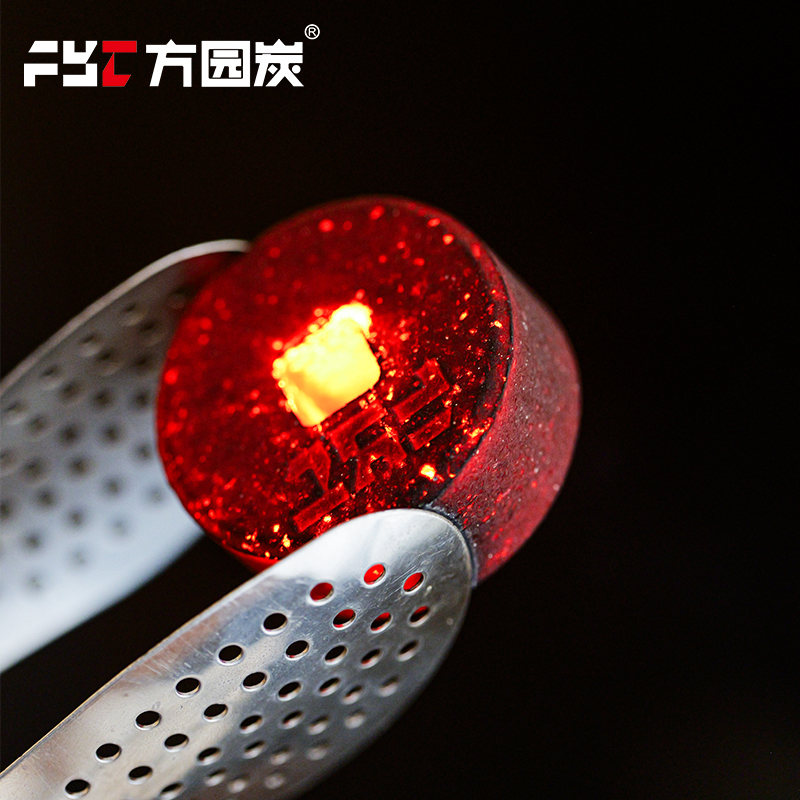
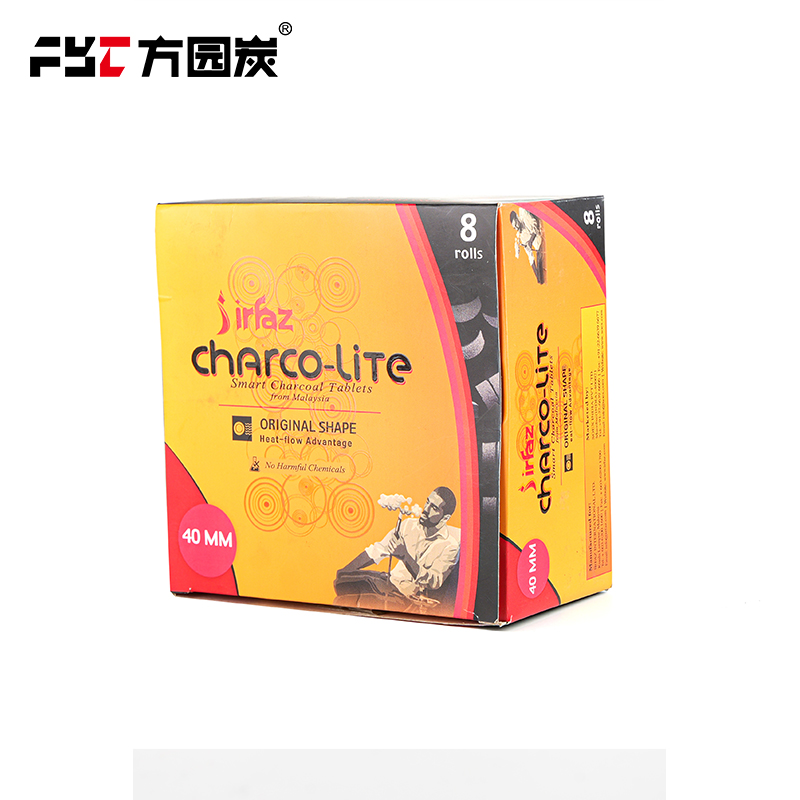
Figure 2 — FYC barbecue charcoal formats: quadrilateral, hexagonal, 50 mm square-hole, spherical and fangyuan.
- Documented burn time: 6–8 hours for bamboo charcoal sticks; 70 minutes for fruit wood quick-light charcoal.
- Performance characteristics: superior heat output and high calorific value, ultra-low ash content, high hardness and resistance to breakage, smokeless and odourless, constant temperature.
- Equipment fit: hexagonal bamboo charcoal sticks are the format used in the South Korean restaurant installation, where they fit built-in dining-table grills.
For restaurants running long service periods, the 6–8 hour bamboo charcoal stick profile changes the operating model: fewer refuelling interruptions and, as the South Korean case shows, measurable consumption reduction. For catering and quick-service formats, the 70-minute fruit wood quick-light profile is the relevant specification.
3. Incense and bakhoor charcoal: 33 mm round tablets
Incense charcoal is a separate product line at FYC and is supplied in a round tablet format, including a 33 mm round tablet used for incense, bakhoor and oud burning. Incense charcoal is one of the three core product lines of Dalian Tiancheng Charcoal Industry Technology Co., Ltd., alongside hookah charcoal and barbecue charcoal, and the 33 mm diameter is the dimension most commonly referenced for incense burner and mabkhara use.
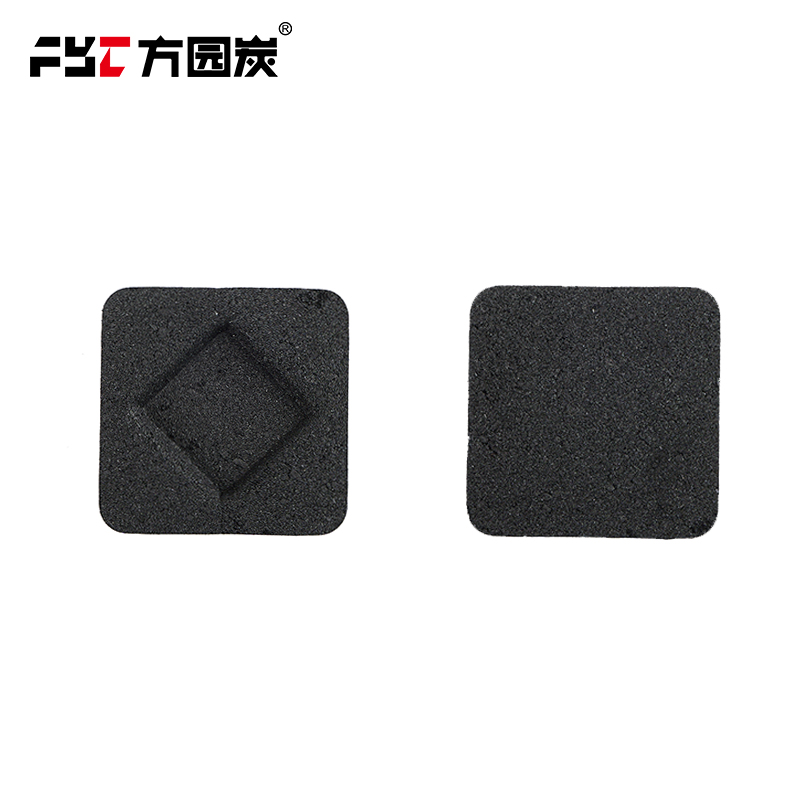
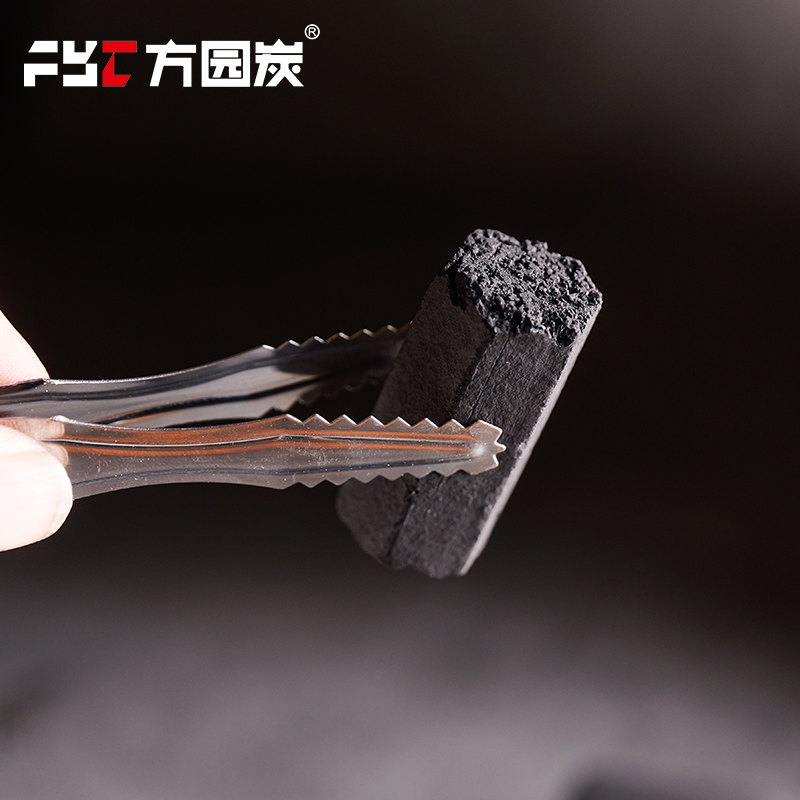
Figure 3 — Round incense charcoal tablets, including the 33 mm format used for incense, bakhoor and oud.
Size selection here is dominated by the burner: the tablet must sit level and stable inside the burner while delivering a steady glow without spitting. Because ash and odour behaviour are more noticeable in a closed room than in an outdoor grill, low ash content and odourless combustion matter more than peak heat. FYC’s sizing and customization programme covers 25 mm, 33 mm and 50 mm dimensions, so buyers can match a tablet to a specific burner or retail pack.
4. Charcoal for disposable and portable grills: matched fangyuan sets
Disposable grills are a packaging-led application: the charcoal is supplied as part of a complete set rather than as a standalone fuel. FYC’s disposable barbecue grill (product reference TC-03) is offered in a format specialized for fangyuan charcoal, with a self-igniting charcoal layer that lights from a single match without lighter fluid.
- Charcoal type: instant-light natural charcoal or smokeless charcoal with low smoke emission.
- Structure: food-grade galvanized or chrome-plated steel grill mesh; aluminium foil or flame-retardant cardboard outer tray.
- Heat behaviour: uniform heat radiation across the cooking surface, designed to prevent hot spots.
- Environmental profile: 100% biodegradable materials for disposal after use.
For this product family, form and size decisions are made jointly with the tray geometry and the retail packaging, which is why charcoal and grill are specified together rather than separately.
Step-by-Step: How to Select a Charcoal Form and Size
- Define the heat environment. Establish whether combustion happens indoors or outdoors, in an open grate, a closed bowl, a table grill or a sealed burner. Indoor environments raise the priority of smokeless, odourless performance and low ash.
- Match the form to the equipment geometry. Cube forms sit in hookah bowls; stick and briquette forms span table grills; tablet forms drop into incense burners; fangyuan charcoal is sized for foil grill trays.
- Size for session length. Convert the required service window into a burn-time requirement. A 90–120 minute cube suits a long lounge session; a 6–8 hour bamboo stick suits extended restaurant service; a 70-minute quick-light briquette suits short catering cycles.
- Verify the core parameters. Confirm fixed carbon content, ash content, calorific value and hardness. FYC hookah grades are specified above 85–90% fixed carbon, below 3% ash and above 7,800 kcal/kg.
- Confirm the ignition method. Choose between quick-light or fast-ignition options and standard ignition according to the operating environment and staff workflow.
- Specify packing and pack format. Custom packaging options include magnetic, flip-top and pull-out boxes; logo printing is available for retail programmes.
- Validate with a sample, then scale. Test burn time, ash and odour in the actual equipment before committing to a production volume, then move to wholesale quantities once the specification is fixed.
Selection shortcut: if the equipment is fixed and the session window is defined, the form and size are effectively determined. Parameters such as fixed carbon, ash and calorific value then decide which supplier quality tier satisfies that requirement consistently.
Use Cases: Form and Size Decisions in Practice
Saudi Arabia — premium shisha lounge chain, 25 mm cube charcoal
A premium shisha lounge and hookah bar chain in Saudi Arabia has used FYC hookah charcoal (product 4500) continuously for 2.5 years, at approximately 50 metric tons per quarter (about 200 tons annually). The specification is a consistent 25 mm cube shape with ash content below 3%, supplied in luxury magnetic box packaging customized with the client’s logo. Reported outcomes are stable, odourless burning with zero client complaints and longer customer sessions due to long-lasting heat.
South Korea — charcoal BBQ restaurant group, hexagonal bamboo charcoal sticks
An authentic charcoal BBQ and grill restaurant group in South Korea receives one 40HQ container per month (approximately 20–22 tons) of FYC barbecue charcoal (product 4980) under a three-year strategic supply partnership. The chosen format is a hexagonal bamboo charcoal stick with high density and zero sparking, selected because it fits built-in dining-table grills. The installation reports zero smoke interference in indoor dining and a 15% reduction in total charcoal consumption attributable to high calorific value, used for high-temperature meat searing and slow indoor roasting of premium cuts.
Germany — outdoor retail chain, matched disposable grill sets
A national outdoor and camping equipment retailer in Germany launched FYC disposable barbecue grills (product 4986) at a scale of 12,000 sets per summer season, delivered within one year with 100% on-time delivery despite high seasonal demand. The sets are used for outdoor picnics, beach BBQs and seasonal park activities; the lightweight, portable design and eco-friendly foil materials met EU environmental standards, and consumer feedback highlighted instant-lighting convenience.
Comparison Table: Charcoal Forms, Sizes and Documented Burn Times
| Form | Typical dimension | Documented burn time | Primary application | Verify before ordering |
|---|---|---|---|---|
| Cube hookah charcoal | 25 mm, 40 mm | 90–120 minutes | Hookah and shisha service, lounges, bakhoor | Ash below 3%, fixed carbon above 85–90% |
| Quick-light hookah charcoal | Specified per order | 45–70 minutes | Hookah sessions where fast ignition is required | Odour profile, ash content |
| Hexagonal hookah charcoal | Specified per order | Confirm by sample testing | Hookah bowls and retail packs | Ash content, hardness |
| Bamboo hookah charcoal | Specified per order | Confirm by sample testing | Hookah bowls | Density, ash content |
| Bamboo charcoal stick (BBQ) | Stick format | 6–8 hours | Restaurant grills, built-in table grills, slow roasting | Density, zero sparking, uniform heat |
| Fruit wood quick-light charcoal (BBQ) | Briquette format | 70 minutes | Catering and fast-service grilling | Ash content, ignition behaviour |
| 50 mm square-hole / four-hole BBQ charcoal | 50 mm | Confirm by sample testing | Restaurant grills and open grates | Ash content, hardness |
| Spherical and fangyuan charcoal | Specified per order | Confirm by sample testing | Grills and disposable grill sets | Pack format, tray fit |
| Round incense charcoal tablet | 33 mm | Confirm by sample testing | Incense, bakhoor, oud, aromatherapy | Ash content, odour neutrality |
| Matched disposable grill charcoal | Fangyuan set format | Instant-light charcoal layer | Outdoor picnic, camping, retail sets | EU material compliance, single-match ignition |
Table 1 — Form, size and burn-time mapping based on FYC product specifications and documented applications. Values outside FYC’s published specifications should be confirmed with a burn test in the end-use equipment.
Core Parameters to Verify Before You Order
Form and size narrow the specification; the parameters below confirm whether a supplier can hold that specification consistently. The FYC hookah charcoal reference values are:
| Parameter | FYC hookah charcoal specification (TC-01) |
|---|---|
| Calorific value | Above 7,800 kcal/kg |
| Burning time | 90–120 minutes (cube, 25 mm / 40 mm); 45–70 minutes (quick light) |
| Ash content | Below 3% (premium grade) |
| Fixed carbon content | Above 85%–90% |
| Material | Premium natural coconut shell, fruit wood |
| Ignition | Quick light / fast ignition options available |
| Features | Smokeless, odourless, high hardness, eco-friendly |
FYC barbecue charcoal (TC-02) is documented at 6–8 hours burn time for bamboo charcoal sticks and 70 minutes for fruit wood quick-light charcoal, with ultra-low ash content, high hardness and constant-temperature performance from bamboo sawdust, hardwood and fruit wood materials. For manufactured and exported volumes, the relevant control points are a monthly production capacity of approximately 600–800 metric tons, 100% comprehensive inspection on all production lines, three professional QA/QC inspectors and full traceability of raw materials.
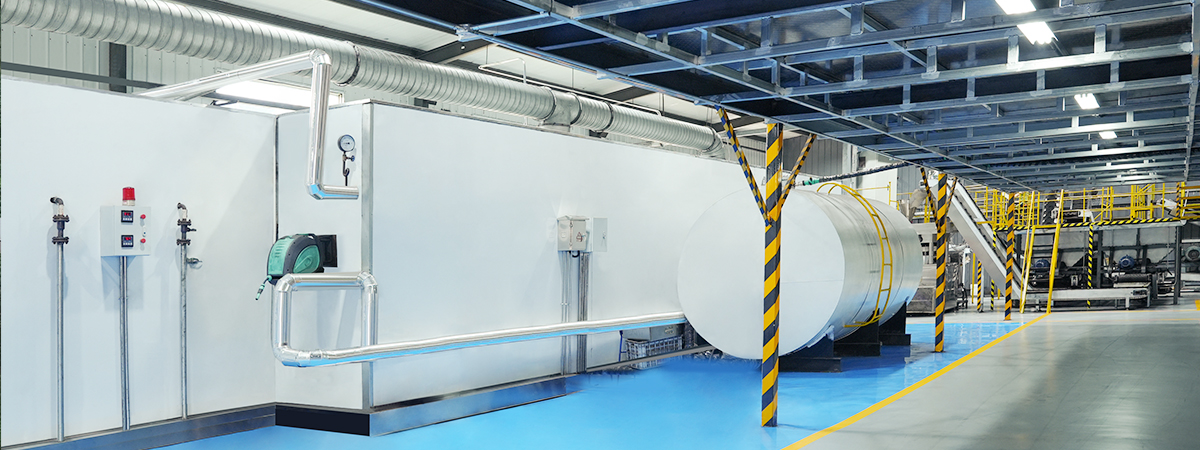
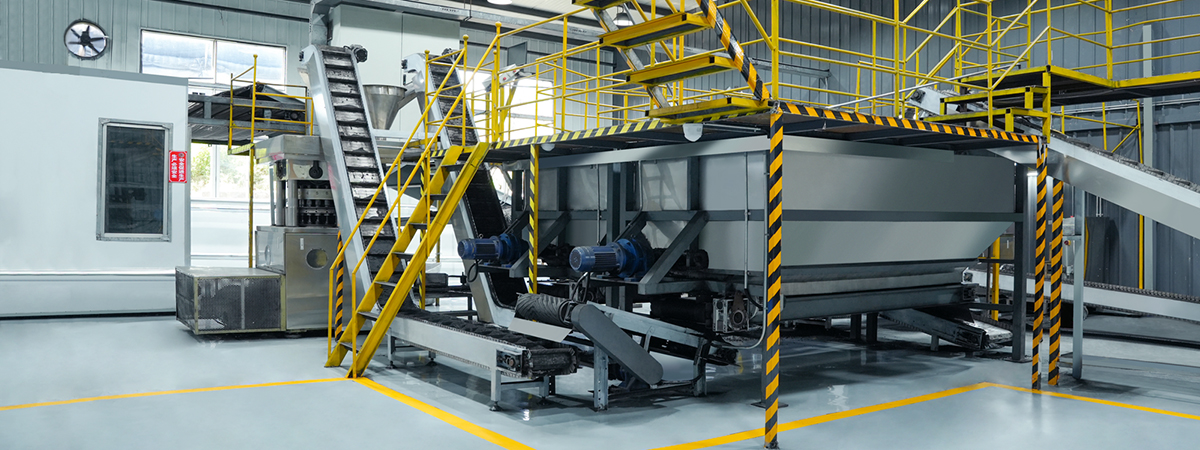
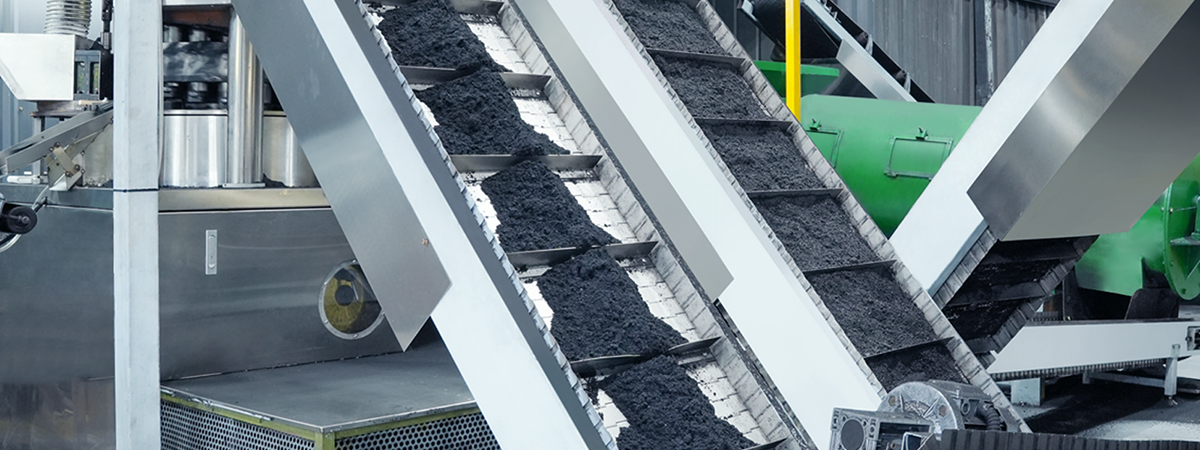
Figure 4 — FYC charcoal production and inspection environment supporting shape, size and parameter consistency.
FAQ: Charcoal Form and Size Selection
Which standards and certifications should a charcoal buyer verify before ordering?
For barbecue charcoal and briquettes sold into the EU, EN 1860-2:2005 is the governing safety standard and specifies limits for ash content, fixed carbon and moisture (CEN / DIN CERTCO). For hookah and incense charcoal, buyers should verify the manufacturer’s quality certifications and inspection practice, because ash content, fixed carbon and odour behaviour determine indoor performance. FYC holds SGS and ISO certifications, performs 100% comprehensive inspection on all production lines with three professional QA/QC inspectors, maintains full traceability of raw materials and has completed an on-site Intertek supplier assessment.
Can charcoal be produced in custom forms and sizes, or only in standard briquettes?
Custom forms and sizes are available under OEM, ODM and custom manufacturing programmes. FYC’s customization scope covers product shape (cube, hexagonal, round, stick), size (25 mm, 33 mm, 50 mm and other dimensions), logo printing, customized retail packaging (magnetic, flip-top and pull-out boxes) and material composition. A monthly capacity of approximately 600–800 metric tons, a research and development team that develops 34 new product models annually, and multilingual support in English, Spanish and French allow shape and size changes to be handled without changing suppliers.
What order quantity makes a specific charcoal form or size practical?
Minimum order quantity is flexible rather than fixed. FYC starts from 1 box for express stock, while wholesale orders range from 1 ton to 17 tons (a full container). In practice, standard stock formats support low-volume trials, and custom shapes, sizes or retail packaging are planned at wholesale volumes, which keeps the cost of a specification change contained during the evaluation stage.
How can a buyer validate form, size and burn time before mass production?
Validation is done by burn-testing the candidate form in the actual end-use equipment — hookah bowl, built-in table grill, bakhoor burner or foil grill tray — and measuring burn duration, ash behaviour and odour. Buyers can begin with the 1-box express stock option or a small wholesale batch, and FYC supports the process with a response time of four hours or less and 24/7 technical support for charcoal usage and storage.
What lead times and delivery guarantees apply to standard and custom charcoal orders?
Standard stock orders are quoted at 7–15 days turnaround, while customized mass production is quoted at 20–30 days. FYC operates a 100% on-time delivery guarantee and works through a global shipping and logistics partner network of more than 50 partners, with compensation for quality discrepancies covered in the after-sales terms. To start a form and size evaluation, request the full product brochure or send your specification directly to paris@fyc-charcoal.com.
Next Step: Match a Form and Size to Your Application
Send your equipment type, session window and target parameters — FYC will confirm the corresponding form, size and pack format, and prepare a quotation.
Brochure download: FYC Charcoal Product Brochure (PDF)
Contact: Paris Wang — paris@fyc-charcoal.com — WhatsApp / Phone: +86 135 9132 7260
Address: Room 409, Building B, Shanhe Zhigu Digital Economy E-commerce Industrial Park, Liaohe Middle Second Road, Jinzhou District, Dalian, Liaoning, China
Website: fyc-charcoal.com
Conclusion: Specify the Shape Before You Negotiate the Price
Charcoal purchasing decisions that begin with price per ton tend to be revisited at the point of use. Form and size determine whether the fuel fits the equipment, whether the session or service window is covered without refuelling, and whether indoor performance meets odour and smoke expectations. Cube hookah charcoal at 25 mm and 40 mm covers 90–120 minute sessions; quick-light formats cover 45–70 minutes; bamboo barbecue sticks cover 6–8 hour restaurant service; 33 mm round tablets cover incense, bakhoor and oud burners; and matched fangyuan charcoal sets cover disposable grills.
Once the form and size are fixed, the parameters that make the choice repeatable — fixed carbon above 85–90%, ash below 3% and calorific value above 7,800 kcal/kg for hookah grades — become the specification against which suppliers, samples and certificates are evaluated.
About the manufacturer: Dalian Tiancheng Charcoal Industry Technology Co., Ltd. (brand FYC) was founded in 1990 and operates a 6,000 m² facility in Dalian, Liaoning, China with approximately 100 employees, producing hookah charcoal, incense charcoal and barbecue charcoal for markets including the Middle East, Europe, Southeast Asia and North America. Contact: paris@fyc-charcoal.com.
comment (02)
Jenny Wilson
19 June 2023Rating:
Lorem ipsum dolor sit amet, consectetur adipiscing elit, sed do eiusmod tempor incididunt ut labore et dolore magna aliqua. Ut enim ad minim veniam, quis nostrud exercitation ullamco laboris nisi ut aliquip ex ea commodo consequat aute irure dolor in reprehenderit.
Marvin McKinney
19 Feb 2024Rating:
Lorem ipsum dolor sit amet, consectetur adipiscing elit, sed do eiusmod tempor incididunt ut labore et dolore magna aliqua. Ut enim ad minim veniam, quis nostrud exercitation ullamco laboris nisi ut aliquip ex ea commodo consequat aute irure dolor in reprehenderit.